Roundwell × Taco Palenque 40 · Don Pancho: The Fresh Mex Recipe
Episode Beat Sheets
Working beats for the five-part series. Each episode follows the same shape: a present-day station on one short-staffed day, a portal into the memory told with a touch of magic, the moment it clicks, and a return to the present for the transformation line.
← Back to the treatmentWhen the Water Came
Responsibility is born before success.
Saturday. Don Pancho is driving his grandkids to something fun, warm and easy, the radio on.
His phone rings. It is his son José, who runs the day to day now. The restaurant is slammed and short-handed, one of the crew had to leave for a family emergency. Family first, no question, so Don Pancho tells them to go, then catches the kids' eyes in the mirror, tells them "quick stop first," flicks the blinker, and slides into the right lane, turning off instead of heading straight. The promise is planted.
Before he steps behind the line, we move through a lively, full dining room. Easter eggs of everything to come are hiding in plain sight: the salsa bar in use, someone biting into a pirata, a family sharing a fajita plate, a young couple over a plate of pollo asado. The whole series is seeded here in one shot.
The kids settle into a booth. Behind the line it is chaos, and then we see it: for the first time in years, Don Pancho ties on an apron and steps to the comal.
A young cook is slammed at the comal, behind and rattled. Don Pancho steps in and takes over with a certain calmness to him, hands sure, no hurry. As he presses the first tortillas he steadies the young cook, telling him the tortilla station carries more responsibility than any other because everything is built on it, literally and figuratively, the base of every plate and the foundation of the restaurant. He talks about what it means to be the one people lean on, and how young he was when that weight first landed on him.
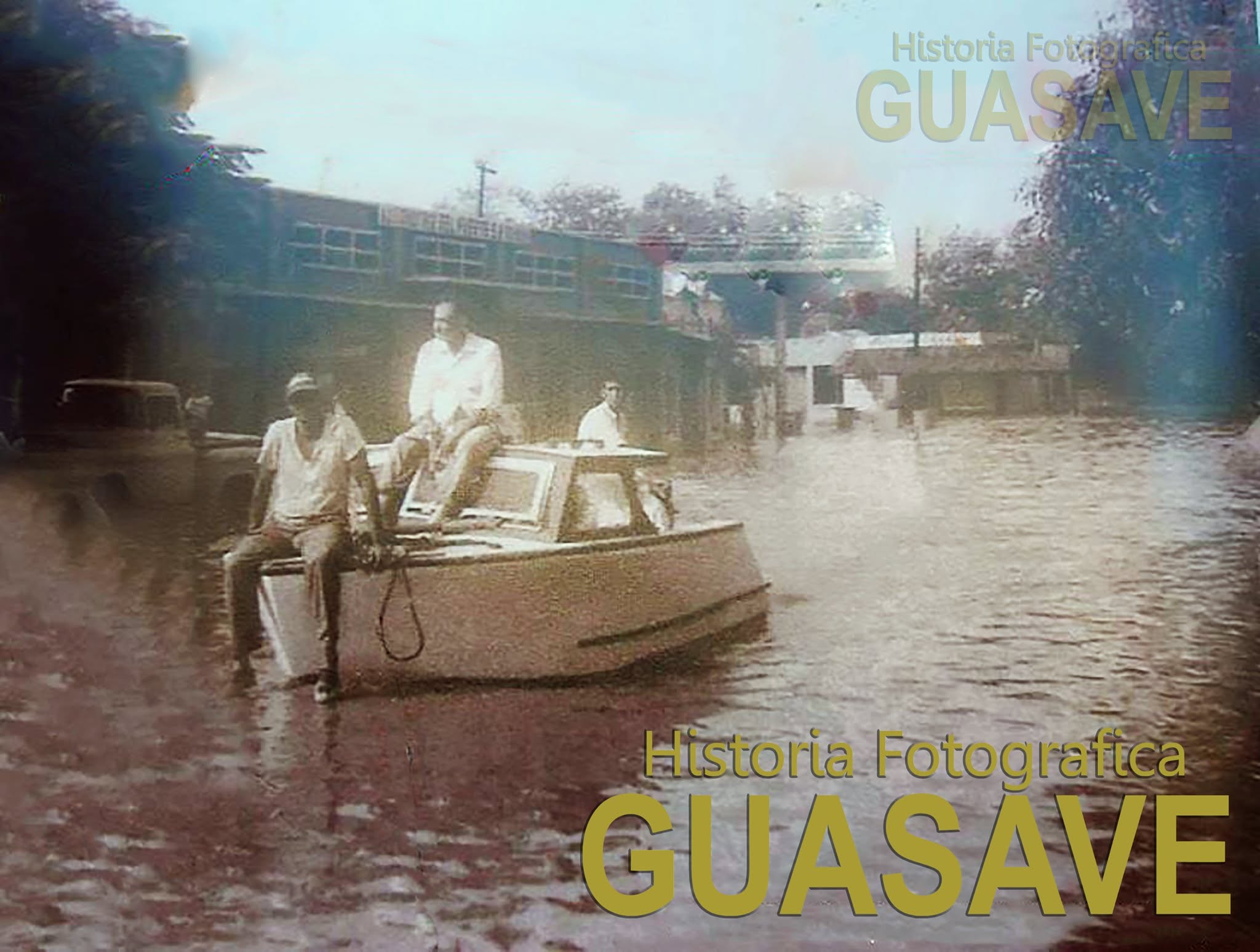
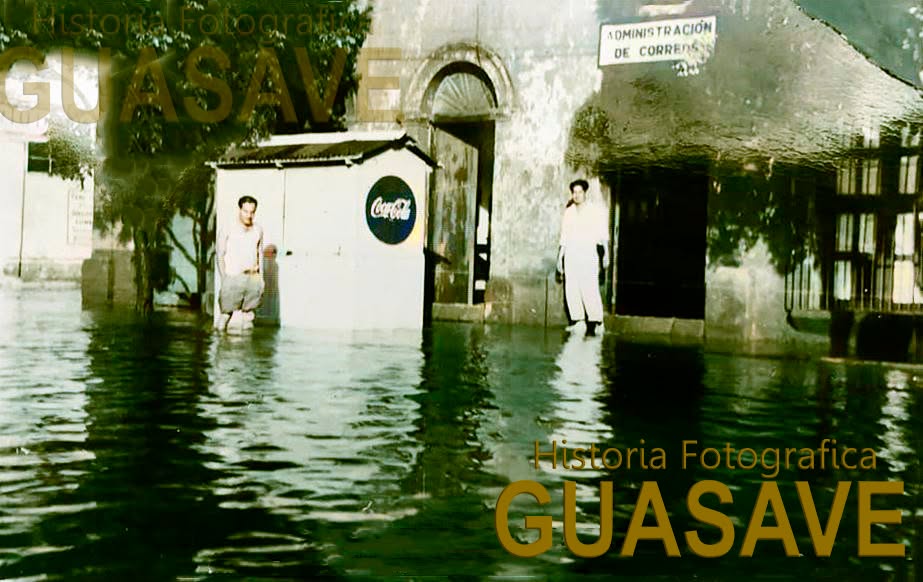
We push in on water being poured and worked into a bowl of masa, and match cut on the water into the scenes of the flood. The water that makes the tortilla becomes the water that once took everything.
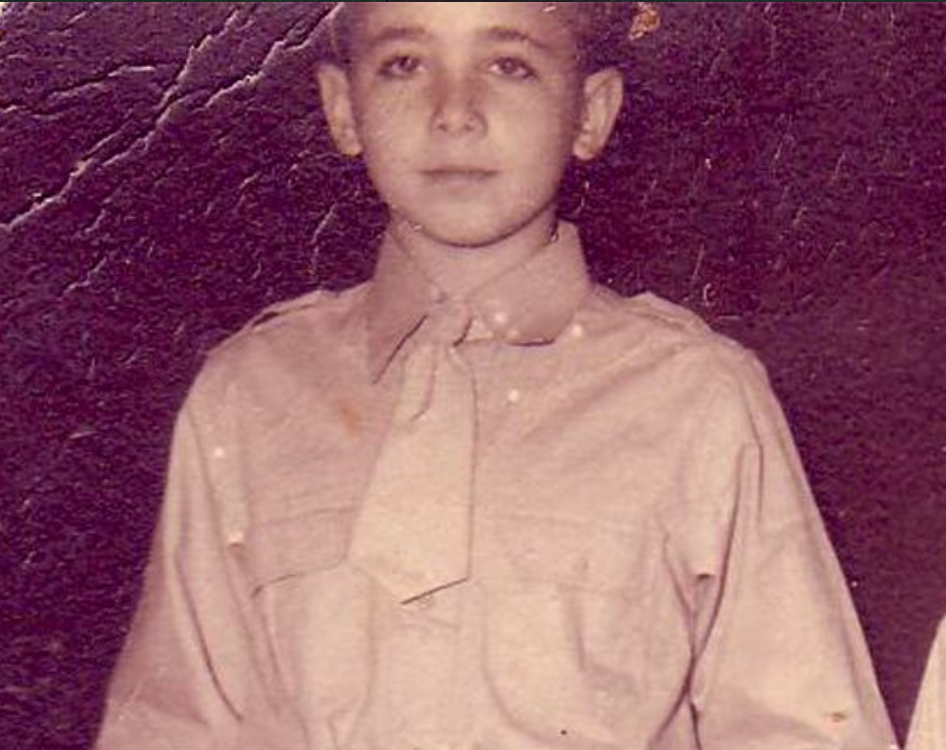
Young Pancho, the eldest son of twelve in Guasave, Sinaloa. When the water came, a flood wiped out his father's store and all of its inventory, and overnight the family was in trouble. As the oldest son, the weight fell to him, so at around thirteen he decided to leave school and go to work to provide. Responsibility arrived long before any success, and it is the weight he still carries to the comal. The same water that once took everything taught him what it means to be the one a family leans on.
A lifetime of that responsibility, distilled into one tortilla. A slow-motion hero montage of the tortilla made from scratch: water worked into the masa, the kneading, the ball portioned and pressed, then the tortilla puffing up on the comal, flour dust hanging in the light. He presses the puff down with a spatula and a burst of steam releases, and that burst is the trigger for our match cut, carrying us from the memory back to the present-day comal. The visible proof that the discipline became something.
The steam settles and we are in the present again. The line lands: responsibility is the foundation everything was built on. He lifts the finished tortilla off the comal and sets it in the warmer to keep it fresh, hands the young cook the spatula back, and walks off on a light note, a stark contrast to the rattled station he stepped into. On to the next station.
Hands That Learned Away
Humility gives flavor its discipline.
Still on the short-staffed day, he moves to the plancha. A young cook is running fajitas but the meat is coming out tough. Don Pancho tastes, says nothing harsh, lays his hands over the young cook's, and shows the heat and the timing.
He tells the young cook the recipe took years and a lot of humility to get right, that you have to be willing to be wrong a hundred times, and the day you think you know it all is the day the food starts to suffer.
We push in on the marinated beef hitting the screaming-hot steel, and cross into the memory.
Young Pancho, far from home. He left to work seasonal jobs, the fields, a first job at a gas station in Los Angeles, humble work that taught him there is no shame in starting at the bottom. That humility is what let him fail his way to a recipe, take a little out here, add a little there, until it was right. Distance becomes humility, and humility becomes discipline.
It finally lands. Slow-motion hero shot: marinated beef hitting screaming-hot steel, the sizzle blooming, char forming, a lick of flame. Tender, never chewy, always plentiful. Smoke curls up.
The smoke is our way home, back to the present. The line lands: humility gives flavor its discipline. He hands the young cook the tongs, corrected and calm, and moves on to the next station.
Seventy Serenades
Love is persistence with rhythm.
On the same short-staffed day, he is prepping the avocado salsa. His grandchildren wander into the kitchen and ask him which salsa goes on a taco.
He does not answer with a rule but with a story, about how the whole place is built on giving people options and never saying no.
As he talks, the slider drifts slowly past his face and we glide into the memory. One transition idea for now, not something we are committed to.
Passing through San Antonio, a late-night taqueria refused to swap his flour tortilla for corn, the way you see it is the way you get it, and he vowed his places would do the opposite, build it your way. He lived the same belief at home, never pushing his kids into the business, giving them the choice, asking their opinions at the family table until one of their ideas quietly made the menu. Whether it is a stranger at the salsa bar or his own children, love is handing people the freedom to choose.
It all comes together. Slow-motion hero shot: the pour, droplets suspended midair, cilantro falling, the brand red on purpose.
Love is giving people options and never forcing your way onto them. When a box of tomatoes jumped from eight dollars to eighty and the big chains dropped the tomato, he refused to touch the salsas, the customers are not to blame. The episode ends on the rule he hands to the next generation, an ode to the day he chose it over profit: no matter what anyone says, you always keep the salsa bar.
The Door That Closed
Rejection reveals your real recipe.
Still that same day, at the pollo asado station Don Pancho works the marinade himself, mixing it the way it has to be. A young cook mentions he read online that some people prefer just salt and pepper.
He tells him salt and pepper alone start to taste like feathers after a while, that the marinade is the whole thing, and that the whole company was born from failing his way to that flavor.
We push into the marinade and cross into the memory. Transition is temporary, not locked.
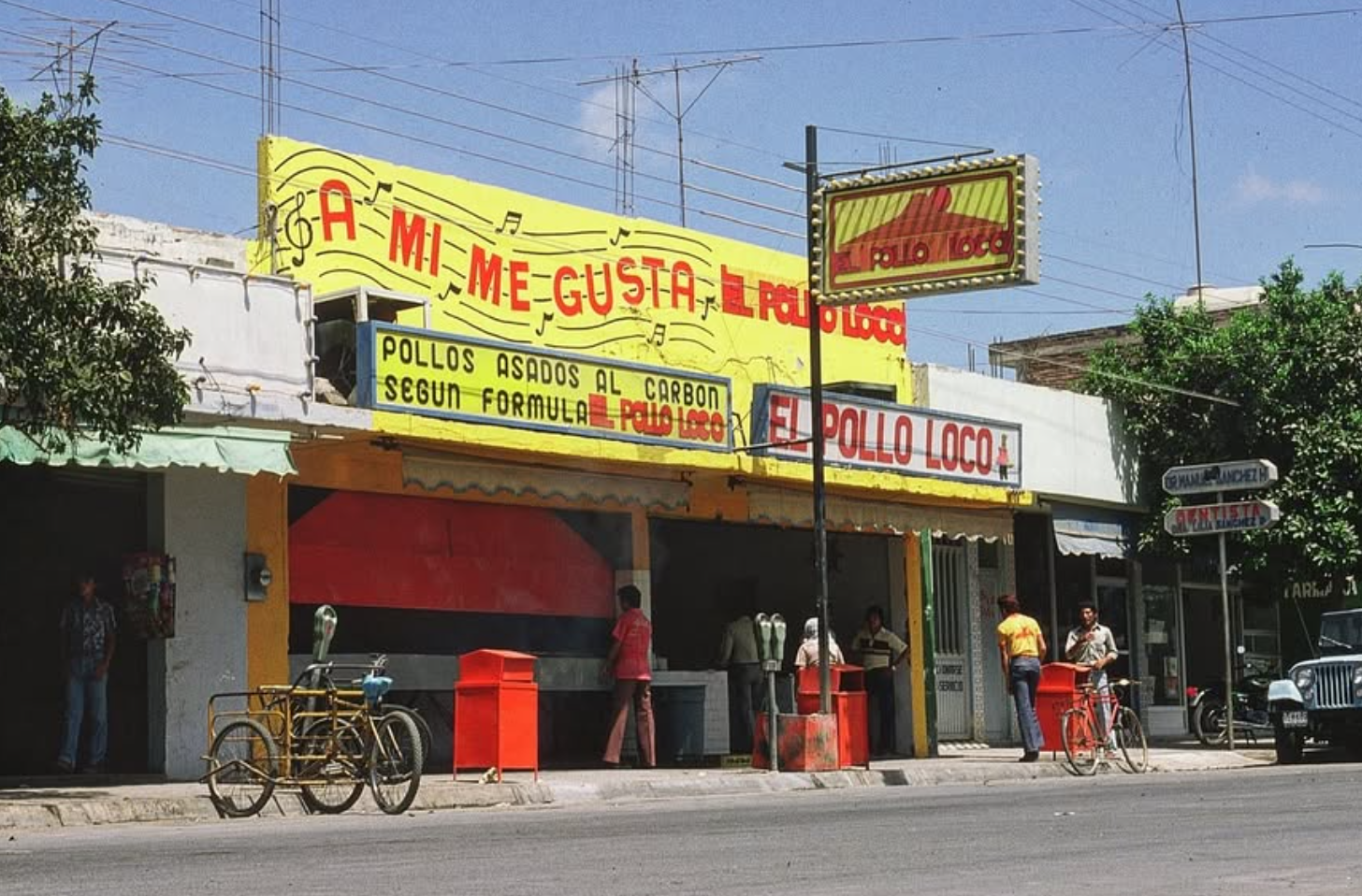
Back in Guasave, Don Rafa was the only man grilling chicken and would sell only a hundred a day. Twice he turned Pancho away, come earlier, I am no slave to anyone. Pancho watched thirty more cars get waved off, did the math, and made his move: he sold off everything in his failing shoe store and turned that very shop into the first El Pollo Loco. Selling it all to start over was in his blood, he had watched his own father rebuild from nothing after the flood, so he already knew what he would prove again with Taco Palenque: you can always begin from scratch. With his wife Frida and his mother's marinade he opened it in 1975. Grilled chicken, born from a no. He built it into Los Angeles, sold the US company, and came back to build again. Rejection becomes invention.
Slow-motion hero shot: pollo asado over open flame, a flare-up, the baste drip, cross-hatch char, smoke curling.
The line lands: rejection reveals your real recipe. The recipe that only failure could reveal, and the deepest root of everything he made after.
No Keys
The highest form of success is how you treat people.
Late in that same day, Don Pancho builds a pirata himself, the signature, hands quick and sure.
This is where generosity shows: the second tortilla so no one ever leaves hungry, and when someone at the counter is short today, he waves it off. Feeding people is the whole point.
We push in on the pirata being built and cross into the memory.
Giving two for the price of one is in the family DNA. His brother Jorge invented the dos por uno, pay for one chicken and take two, in Morelia in 1977, and it spread everywhere. That same spirit lives in the buy-one-get-one piratas on a local game ticket, the taco that fed a whole town on game nights. And the generosity is built into the taco itself, a second tortilla added so no one ever leaves hungry.
Slow-motion hero shot: the pirata built, the fold, the cheese pull, the fajita meat, a salsa drip, the first bite.
What you give freely is what you are remembered for. His son José, a trained chef and now the one who runs it, works the line beside him, the legacy already in good hands. The grandkids tug Don Pancho's apron, and he finally keeps his promise. José's own words can carry us out (real line option below). Roll credits over the Then and Now montage.